
What is a Compliance Risk?
Compliance risk means the exposure of an organization to legal penalties, financial and material losses, and reputational damage if it fails to comply with applicable industry standards, regulations, laws, and internal policies. Managing compliance risk is not just a legal obligation; it is a strategy for the sustainability and success of an organization, whether it is a public or private organization, a profit or non-profit organization, or state or federal government departments.
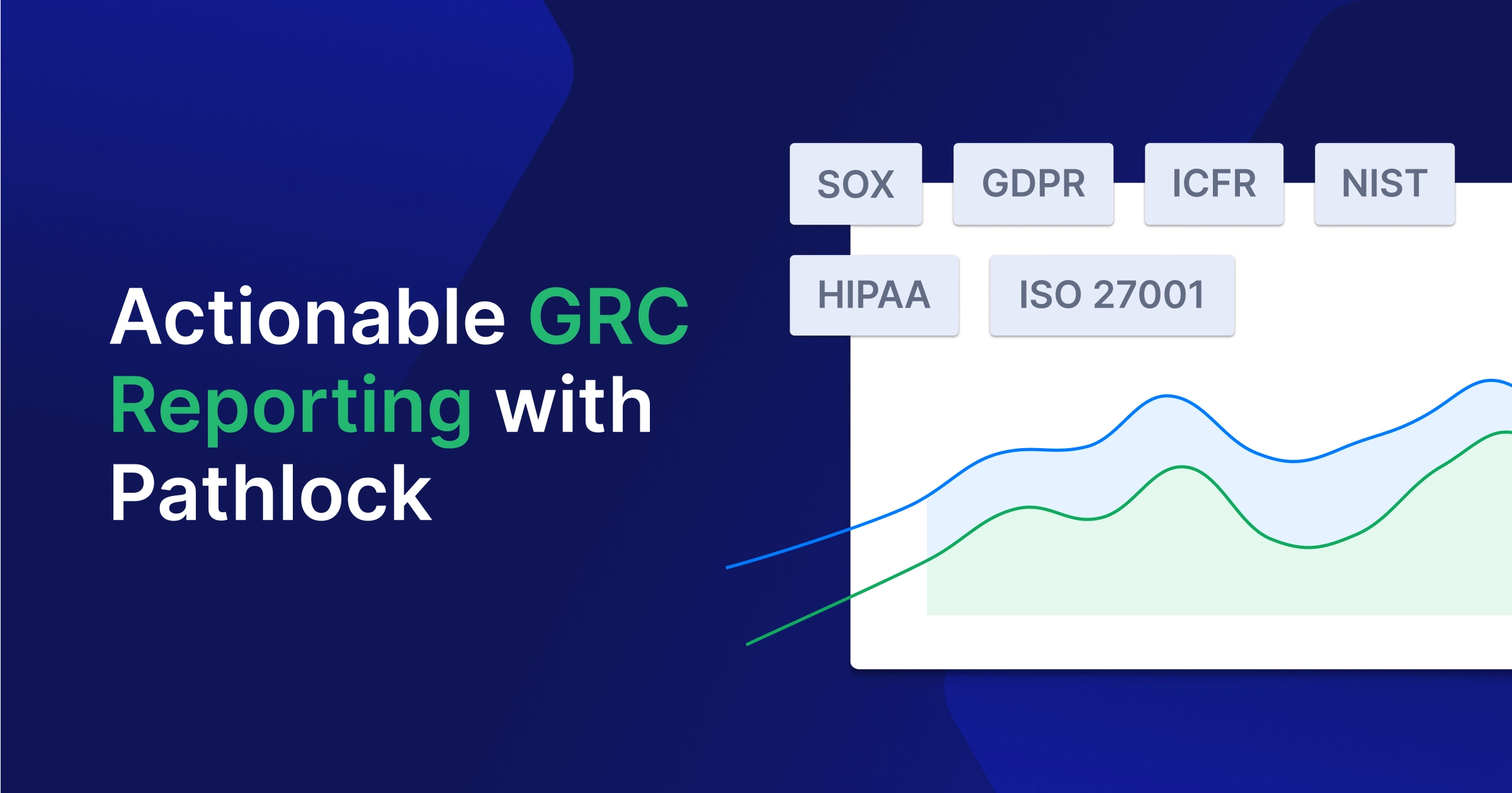
Compliance risk spans external regulations and laws, as well as internal policies and procedures, including data protection, environmental laws, industry-specific regulations, and financial reporting. For example, organizations operating in the healthcare industry must comply with the Health Insurance Portability and Accountability Act (HIPAA), and organizations that manage credit card data must comply with the Payment Card Industry Data Security Standard (PCI DSS). Other notable industry standards include FDA, IEEE, API, AML, and regulations such as GDPR, SOX, and SOC.
Importance of Compliance in Modern Business
Following compliance requirements is important. It protects businesses from legal penalties and helps them set up a culture of ethical conduct. Organizations that prioritize compliance build trust between investors and customers, demonstrate transparency, accountability, reliability, and integrity, and increase operational efficiency by developing standards and procedures.
Relationship Between Compliance Risk and Integrity Risk
Compliance, risk, and integrity are deeply connected. Sometimes they are used as substitutes for each other.
- Integrity risk is a broader term for an organization’s ethical behavior and moral responsibility, reflecting its commitment to ethical conduct.
- Compliance risk focuses more on adherence to laws and regulations, leading to accountability.
Unethical practices lead to integrity failures, but not strictly illegal practices, which can still cause reputational damage and financial losses. Non-compliance is often seen as a symptom of a lack of integrity, such as prioritizing profit over ethical conduct. Compliance risk management requires promoting integrity, which encourages accountability and transparency across the organization.
Implications of Noncompliance: Legal, Financial, and Reputational
If compliance risk is not managed effectively, it can cause severe implications, which can be categorized into three principal areas.
- Legal Implications. Legal action is the most direct consequence of non-compliance, ranging from minor penalties and fines to criminal charges and imprisonment for the parties involved. For instance, violations of the GDPR can result in penalties of up to 4% of the company’s total global revenue or 20 million Euros, whichever is higher.
- Financial Implications. Non-compliance goes beyond fines to financial implications. It also leads to lost business opportunities, as other organizations or vendors may choose not to partner with the affected company. Operational disruption is another factor that leads to financial losses due to resource and financial commitments to legal actions and investigations, as well as to license suspensions or revocations that prevent operating in some markets
- Reputational Implications. Legal actions, fines, and penalties become public knowledge through publications, press releases, media coverage, or industry-specific announcements. They cause reputational damage to the affected company. They could be a long-lasting consequence rather than financial losses. As they lose trust, their market share declines; it becomes difficult to attract investors and acquire talent, and this may lead to further increased scrutiny from public and regulatory bodies.
Nature and Characteristics of Compliance Risk
As discussed earlier, compliance risk is the exposure of an organization to legal penalties, financial losses, and material losses when it fails to follow laws, regulations, and internal policies. Therefore, it is important to monitor its key characteristics, including its potential to be pervasive and affect all areas of an organization, from data privacy and financial reporting to environmental standards. As regulatory requirements change, new ones are added, and existing ones are updated, requiring continuous adaptation from organizations. This is especially important when the organization operates across multiple industries or areas, such as international law.
How Compliance Risk Arises in Organizations
Compliance risk can result from several internal and external factors; it doesn’t just appear out of the blue.
- A common cause could be insufficient knowledge or not understanding the regulations correctly.
- Compliance automation saves cost, continuously monitors the systems and regulatory changes, provides regulatory mapping, increases operational efficiency, and ensures ongoing compliance.
- Modern Governance, Risk Management, and Compliance (GRC) tools use artificial intelligence and machine learning for risk detection by analyzing large data volumes, finding patterns using algorithms, and historical data for trends, which helps compliance officers to make informed decisions.
- AI-powered tools can detect regulatory changes so that compliance officers can take quick action based on the changes.
- Modern compliance solutions employ Robotic Process Automation (RPA), software applications, or bots to automate repetitive tasks based on rules, such as automated data entry, reconciliation, access reviews, and reporting.
- Compliance management solutions provide centralized document management, automated tracking and monitoring, risk assessment, reporting, and analytics via customizable dashboards and reports.
- Compliance management solutions provide advanced analytics via continuous monitoring from different systems, centralizing risk posture, along with real-time risk scoring based on likelihood and impact for prioritization using both qualitative and quantitative methods.
Regulatory and Ethical Foundations of Compliance
Regulatory compliance foundation and ethical foundation are the two pillars of compliance. Regulatory foundations set the rules for complying with laws, regulations, guidelines, and best practices related to an organization’s operations. Ethical foundations go beyond legal obligations, such as the organization’s commitment to ethical conduct and integrity, and involve establishing a corporate culture of honesty, transparency, and accountability to guide a company’s decisions and actions. It helps build trust with consumers and stakeholders by mitigating compliance risks.
The Role of Governance, Risk, and Compliance (GRC) Frameworks
Organizations use Governance, Risk, and Compliance (GRC) frameworks to manage compliance risks and their complexities. It is a structured approach that integrates all three pillars into a single framework to streamline processes by offering a centralized view of the organization’s security and compliance posture, rather than treating compliance as an isolated legal function. GRC platforms provide clear insights into compliance requirements and potential risks, enabling organizations to make informed decisions by setting up requirements like tracking, documenting, and verifying compliance measures, which involve identifying, assessing, and mitigating compliance risks before they escalate. When implementing a GRC framework, it is crucial to ensure it aligns with the organization’s overall strategic goals and requires compliance efforts to support its business success.
Key Dimensions of Compliance Risk
Compliance risk spans the different areas of an organization’s operations. Understanding its key dimensions is essential for developing an effective compliance management program, as each dimension represents unique risk exposure. The following are the key dimensions of compliance risk.
Legal and Regulatory Requirements
This is the most concerning dimension of compliance risk, encompassing various government laws and regulatory bodies that govern how businesses operate. These regulations are categorized into the following two types:
National and International Laws
Every organization must comply with a combination of national and international laws governing its operations, data, customers, and employees. The complexity increases when the organization operates globally or across multiple regions.
Examples of these laws are:
- General Data Protection Regulation (GDPR). GDPR dictates the set of global standards for data privacy within the European Union region. It was enacted in 2016 and enforced in 2018, giving organizations 2 years to prepare for the new data privacy law. Any organization processing personal data of EU residents in the European Union or globally must comply with the GDPR’s key requirements, such as obtaining consent for data collection and use, and ensuring individuals’ rights to access and erase their own data; non-compliance can lead to fines.
- Health Insurance Portability and Accountability Act (HIPAA). HIPAA is a U.S. federal law, enacted in 1996, that defines national standards for the disclosure and protection of sensitive patient health data with the consent of the patient. It applies to healthcare providers, health insurers, and their business partners to protect patient information from fraud and theft. Violating these laws can result in fines up to $1.5 million per violation category.
- Sarbanes-Oxley Act (SOX). SOX is also a U.S. federal law, enacted in 2002 after the major corporate and accounting scandals such as Enron and WorldCom. It requires publicly traded companies to enhance the disclosure of their financial reports on internal accounting controls and corporate governance to protect investors, promote economic transparency, and enhance accountability. It requires the CEO and CFO to certify financial statements for audit firms personally.
Financial and Data Protection Regulations
There are several other regulations worldwide that protect financial transactions and data, focusing on fraud prevention, protecting investor interests, and ensuring transparency. These regulations include Anti-Money Laundering (AML) and Counter-Terrorism Financing (CTF), which require financial institutions such as banks to monitor suspicious transactions and report them. Payment Card Industry Data Security Standard (PCI DSS) to ensure the secure handling of credit card information; California Consumer Privacy Act (CCPA); and the Personal Information Protection Law (PIPL) of China, to protect consumer rights, accountability, and against data breaches.
Industry Standards and Best Practices
While there are major national and international legal regulations, many industries have their own compliance standards and best practices they require that organizations must follow when operating in those industries.
- The International Organization for Standardization (ISO) develops international standards, e.g., ISO 27001 for information security management systems and ISO 37301 for Compliance Management Systems.
- The National Institute of Standards and Technology (NIST) develops cybersecurity guidelines and standards to manage cybersecurity risks under its Cybersecurity Framework (CSF), which provides a clear five-function (Identify, Protect, Detect, Respond, Recover) framework and NIST 800-53 for federal information systems.
Although not required for all businesses, both frameworks are considered best practice in many sectors.
Many specific industries, such as medical devices, pharmaceuticals, and food products, need to follow the Food and Drug Administration (FDA) standards, the construction industry follows the International Building Code (IBC) for building design, and the Occupational Safety and Health Administration (OSHA) standards for health and safety of the workplace in many industries.
Ethical and Corporate Integrity Risks
This compliance risk dimension reaches beyond legal and regulatory requirements. It represents the integrity and ethical conduct of any organization, including conflicts of interest, insider trading, bribery, corruption, misuse of authority, discrimination, harassment, and exploitation, as well as misleading or false reporting. If ethical culture is absent, it leads to reputational damage, such as a loss of trust among customers, investors, and the public. It can also lead to financial losses, including declining sales and share prices, as customers may boycott the company. Unethical behavior within a company can lead to decreased employee morale and reduced productivity.
Contractual Obligations
Organizations are bound by the terms of contracts they enter into with other companies; failing to meet these terms can result in compliance risks. This includes Service Level Agreements (SLAs) and Non-Disclosure Agreements (NDAs). Contract breach can lead to legal actions, financial losses, and damage to business relationships. It is crucial to manage these risks by clearly drafting contracts that set out each party’s rights and responsibilities, conducting due diligence, and regularly monitoring contractual clauses that limit legal liability and ensure compliance. Contract Lifecycle Management (CLM) tools can be used to track and manage contracts for deadlines and terms.
Common Types of Compliance Risk
Compliance risk can arise from a range of internal and external factors across different areas of an organization. Understanding and identifying these common compliance risks and designing controls, policies, and monitoring systems is the first step toward effective risk mitigation.
Below are some common compliance risk types:
Human Error and Insider Negligence
Human errors are a common factor in compliance risk. Simple employee mistakes, such as carelessness or lack of awareness, can lead to sensitive information falling into the wrong hands or misconfigured security settings. Carelessness in following company policies, such as password sharing, using public Wi-Fi, failing to dispose of documents completely, failing to apply software patches promptly, or falling victim to phishing scams, can expose the organization to risk and severe consequences.
Lack of Monitoring and Audit Trails
Lack of monitoring activities and failure to maintain audit trails can make it difficult to detect and respond to compliance breaches promptly. Without monitoring systems and employees, unauthorized access to a system and downloading the entire customer database can lead to severe consequences and reputational damage. Audit trails are records of system activities, such as who accessed which system, and are crucial for investigating security incidents. Lack of audit trails may lead to failed audits and non-compliance.
Improper Data Storage and Encryption Failures
Data storage and safety are critical security risks. Organizations that store data in unsecured locations or fail to follow retention policies create opportunities for unauthorized access and non-compliance with regulations such as GDPR or HIPAA. Encryption serves as a security control for data protection. Not encrypting sensitive data on company systems or employees’ devices, such as laptops and USB drives, or using weak encryption methods, also exposes the data to unauthorized access or breaches.
System Misconfigurations and Oversights
Systems and applications left with their default settings can introduce technical flaws in the design and implementation of IT infrastructure. Outdated default settings or protocols, such as SMB1 or SMB2, can become a source of cyber-attack. Excessive or incorrect permissions, or failure to revoke former employees’ access, can lead to unauthorized access to systems and data; the same goes for cloud misconfiguration, which is a significant cause of data breaches and compliance issues.
Corrupt or Illegal Practices
Corrupt or illegal practices such as fraud, bribery, corruption, and money laundering fall under a lack of corporate culture, integrity, and ethical conduct. Individuals can produce false or incorrect financial statements, fake invoices, or vendor accounts. Offering, giving, or receiving anything of value, such as money, gifts, or kickbacks for influence or personal gain, is illegal and carries severe legal and reputational consequences. Hiding the source of funds received can lead to severe financial crime and penalties, including, in some cases, imprisonment.
Privacy Breaches and Data Protection Violations
Data protection is also a significant concern in compliance; threat actors can steal and release sensitive personal or company-related information, resulting in data breaches. The cause could be cyber-attacks, system glitches, or human error, leading to violations of data protection laws such as GDPR, HIPAA, or CCPA. These regulations require organizations to obtain consent for data handling and to notify breaches.
Environmental and ESG-Related Compliance Failures
Environmental, Social, and Governance (ESG) factors are common compliance risks, including improper waste disposal, exceeding pollution limits, or failing to meet environmental regulations. Social and governance lapses such as poor labor practices, lack of transparency, and unethical supply chains can lead to regulatory penalties and reputational damage.
Workplace Health and Safety Noncompliance
Providing a safe workplace environment for their employees is a legal requirement for organizations operating in specific industries, such as occupational safety (e.g., emergency handling, safety training, or equipment maintenance) or health-related administration. Failure to meet those regulations can lead to non-compliance and result in fines, legal action, and employee lawsuits if there is a risk of accidents, injuries, or deaths in the workplace.
Process Deviations and Operational Failures
When employees do not follow internal processes, standard operating procedures, and workflows, it can compromise product quality, data integrity, and operational risk, leading to numerous compliance issues. Industries like pharmaceuticals and manufacturing are subject to stringent regulations; even minor deviations from established processes, such as bypassing approvals or quality control checks, can have serious consequences, including product recalls and sanctions.
Assessing Compliance Risk
Compliance risk assessment is not just a procedural task; it is a strategy that helps a company prevent legal, reputational, and financial damage. It is a process that serves as a systematic framework for identifying, prioritizing, and mitigating risks; allocating resources; validating controls; and generating insights. An effective compliance management system leads to long-term success and regulatory standing for an organization.
Components of an Effective Assessment
Several key components are involved in establishing a comprehensive compliance risk assessment and the organization’s overall compliance risk posture.
The following are the key components of an effective assessment process.
Regulatory Scope Identification
This is the first and crucial component: determining the rules and requirements an organization must follow, including relevant laws, industry standards, government regulations, and internal policies. This involves creating a comprehensive inventory of applicable laws and requirements, which may vary by location. For example, a healthcare provider must comply with HIPAA, while a financial institution focuses on banking and securities-related regulations, such as PCI DSS.
Infrastructure and Control Evaluation
Once regulatory requirements are defined, the next step is a detailed review of the existing infrastructure and internal controls to evaluate their effectiveness in mitigating identified risks, including data management practices, IT systems, process documentation, control design assessments, employee training, communication channels, and segregation of duties.
Data Security and Authorization Reviews
Protection of sensitive data is a critical aspect of compliance. This involves evaluating data security controls, e.g., access and encryption controls, as well as an incident response plan to prevent data breaches and unauthorized access. Regular user access and authorization reviews ensure that employees have access only to systems and information in line with their roles and responsibilities.
Cloud and Storage Environment Analysis
As more organizations rely on cloud services, it is important to evaluate the risks associated with them, including assessing the cloud provider’s security practices, such as the physical security of the data center, data backup procedures, and data encryption in transit or at rest. Their compliance certifications for data handling and privacy policy, or their ability to identify potential cloud misconfigurations, such as publicly accessible storage buckets.
Risk Assessment Frameworks and Guidelines
Organizations can use different frameworks and methodologies to structure their compliance with risk assessment processes, such as the Committee of Sponsoring Organizations of the Treadway Commission (COSO), NIST, and ISO 31000 frameworks for risk management. These frameworks provide structured approaches to help organizations design and implement internal controls for compliance management.
Methodologies (Qualitative and Quantitative)
Different methodologies can be used to evaluate the impact and risk score, including qualitative and quantitative analyses. Qualitative analysis involves expert judgment and experience for risk assessment, which can be classified as Low, Medium, or High likelihood or impact, with Minor, Significant, or Severe outcomes. Quantitative analysis, on the other hand, uses a data-driven approach, such as employing financial services models and statistical analysis, assigning numerical scores to risks for greater precision. Many organizations employ a hybrid approach: first, qualitative assessment of high-risk areas, likelihood, and impact; then, in-depth evaluation using quantitative analysis.
Ranking and Prioritization of Risks
Risks must be ranked and prioritized by severity and probability after initial identification and analysis to determine which requires a quick response. This enables organizations to focus on critical risks and distribute resources and priority accordingly for mitigation.
Mapping to Relevant Regulations
An important part of the assessment process is mapping risks to the relevant specific clause or section of the regulation they violate, a process called regulatory mapping, which helps organizations meet compliance requirements. For example, the HIPAA Security Rule section or GDPR Article 32 can be directly mapped with failure to encrypt customer or patient data.
Continuous Auditing and Monitoring
Compliance risk assessment is a continuous process, not a one-time exercise, which is why ongoing monitoring and auditing are mandatory to maintain an effective compliance program. It is management’s responsibility to continuously track KPIs in real time to assess internal control effectiveness, provide prompt information on compliance-related issues, and enable quick actions to address them. Ongoing auditing involves more frequent evaluations of risks, controls, processes, and transactions than periodic audits, such as quarterly or annually.
Examples of Compliance Risk
Real-world compliance failure examples provide insight into the consequences and importance of risk management, showing how control breakdowns and deviations from established processes can escalate into major crises with legal, financial, and reputational consequences.
Software Patch Management Failures (e.g., Equifax Breach)
Equifax, the largest American consumer credit reporting agency, suffered a massive data breach in 2017, exposing the financial and personal data of approximately 147 million people. The root cause was a failure in software patch management. Hackers exploited a known vulnerability, for which a patch was made available 2 months before the breach. Equifax did not promptly apply the fix, resulting in a data breach. The breach cost Equifax a $425 million settlement with the Federal Trade Commission (FTC), the Consumer Financial Protection Bureau (CFPB), and 50 U.S. states. The total cost exceeded a billion dollars, including new technology investments, reputational damage, and thousands of lawsuits from affected customers.
Inadequate Access Auditing in Financial Institutions
Financial institutions are primary targets for cyber threats because they manage sensitive data. Inadequate access auditing for internal controls, such as not knowing who has access to what information, can lead to data breaches. Denmark-based Danske Bank is the largest financial institution to be charged with 200 billion euros in fines for money laundering practices and with 800 billion euros in unexplained transactions across several countries. Weak access controls can also result in massive fines. Meta, the parent company of Facebook, was fined 1.2 billion euros for failing to comply with GDPR rules on the transfer of personal data to the U.S., as it was transferring EU personal data to the U.S. without proper protection.
Healthcare Example: HIPAA Noncompliance and Data Exposure
Anthem Inc. became the victim of a cyberattack that exposed the sensitive information of 79 million people. They reported the breach in 2015, but later investigations confirmed that data was being stolen from their servers several months earlier. The breach resulted in more than $260 million in costs for Anthem, including a $179.2 million settlement in a lawsuit, $16 million in HIPAA fines, and a $48.2 million financial penalty.
Another example is UCLA Health Systems, which had two data breaches: one in 2011 for medical records accessed by unauthorized personnel, fine in $865,000 fine, and in 2015 for breach of 4.5 million patient records exposed as a result of cyberattack, though HIPAA did not fine them for a satisfactory breach response, they paid $7.5 million to settle a class-action lawsuit.
Financial Example: FCPA and SOX Violations
The Foreign Corrupt Practices Act (FCPA) and the Sarbanes-Oxley Act (SOX) are regulations that prevent bribery and ensure the accuracy of financial reporting. The Swedish-based telecommunications company Ericsson was charged with $1 billion in bribes across many countries. Goldman Sachs bribed Malaysian officials with $1 billion, leading to criminal charges. They agreed to pay $3.9 billion in settlement to the Malaysian government as of 2020. Wells Fargo violated SOX whistleblower protection laws and was ordered to pay $22 million to an earlier manager for wrongful termination.
Environmental Example: ESG Reporting Failures
Volkswagen, a German automaker, was involved in an emissions scandal and failed to comply with environmental, social, and governance (ESG) reporting regulations. They deliberately programmed diesel engine tests to cheat and provide positive reports. The Environmental Protection Agency (EPA) in the U.S. found 482,000 cars in the U.S market only. Still, Volkswagen admitted the total of 11 million vehicles were affected by the test program, which resulted in a total cost of more than 31.3 billion euros ($34.69 billion) worldwide in criminal charges, penalties, recall of more than 8 million cars, and other expenses.
Compliance Risk Management
Compliance risk management consists of several interconnected components, such as establishing a policy framework, e.g., creating a clear and concise set of procedures and policies for all employees, contractors, and third parties, and outlining the organization’s commitment to compliance. These policies provide guidance and training for employees on their roles and responsibilities.
The second component of an effective CRM program is compliance risk assessment, such as identifying, assessing, and categorizing compliance risk across all areas of the organization. We have already described further sub-components of risk assessment above.
The third and vital component of a CRM program is to design internal controls and their testing. These controls can be preventive, such as implementing checks and balances on critical transactions or setting up authorization rules (e.g., segregation of duties), or detective, such as regular auditing of the controls and continuous monitoring. While the threat landscape is constantly changing, new cybersecurity threats emerge daily.
It is also important to monitor regulatory changes and updates in industries where regulations change more frequently, and to incorporate regulatory change management into your overall compliance risk management program. This involves tracking new legislation, understanding its impact on the organization, and making the necessary changes to your internal policies, procedures, and controls to ensure compliance. Compliance risk should not be managed as a separate task; it is best practice to integrate it into a broader Enterprise Risk Management (ERM) program, which provides a centralized view of all types of risks, including strategic, operational, financial, reputational, and compliance risks.
Key Takeaways for Developing a Compliance Risk Mitigation Strategy
Establishing a Governance and Policy Framework
- Define clear policies, procedures, roles, responsibilities, and accountability.
- Define risk assessment and prioritizing processes.
- Provide training, awareness, and communication channels.
Conducting Regular Audits and Assessments
- Define audit scope and goals, a detailed plan, a roadmap for the audit, timelines, and responsibilities.
- Conduct internal audits for control’s effectiveness, and external audit by independent third-party auditors.
- Review laws and regulations.
- Collect and review all relevant documentation.
- Communicate findings.
Implementing Real-Time Monitoring and Surveillance
- Proactive Issue detection, identification, and mitigation of compliance gaps.
- Enhance risk management, minimize fraudulent activities.
- Automate compliance monitoring for operational efficiency.
- Use technology for automated tracking of regulatory changes, documentation, and reporting, and use Continuous Control Monitoring (CCM) as part of GRC solutions.
Building Incident Response and Escalation Plans
- Scenario planning: define clear roles and responsibilities for each incident and response.
- Define procedures for incident reporting.
- Define detailed steps for identification, limiting the damage, and removal of the incident’s root cause.
- Timely incident reporting to applicable regulatory authorities.
- Recovery process of systems from incidents and future prevention.
Encouraging Reporting and Whistleblower Protections
- Establish a whistleblower reporting system, e.g., hotlines or digital portals.
- Establish internal laws and policies for whistleblowers’ protection, confidentiality, and non-retaliation.
Continuous Improvement and Compliance Evolution
- Conduct regular reviews and refine controls, policies, and procedures.
- Use performance metrics such as Key Risk Indicators (KRIs) and Key Compliance Indicators (KCIs) to mature compliance.
- Perform technology upgrades, including GRC platforms, accounting systems, and ERP solutions.
- Define a feedback system for employees and auditors.
- Regularly compare your compliance program with industry benchmarks, e.g., standards and best practices.
The Role of Technology in Compliance Risk Management
Technology plays a pivotal role in streamlining compliance risk management processes; it is not just about adopting new tools, but about transforming how compliance is managed today.
- The primary benefit it provides is the simplification of the compliance process and automation, which were once manual, prone to human error, and time-consuming. Automation provides compliance-related workflows such as policy attestation, approvals, and control testing.
- Conduct regular reviews and refine controls, policies, and procedures.
- Use performance metrics such as Key Risk Indicators (KRIs) and Key Compliance Indicators (KCIs) to mature compliance.
- Perform technology upgrades, including GRC tools, accounting systems, and ERP solutions.
- Define a feedback system for employees and auditors.
- Regularly compare your compliance program with industry benchmarks, e.g., standards and best practices.
As organizations shift to cloud computing, they face new compliance challenges, including data privacy and security. It is crucial to consider where the data is stored, whether it is encrypted, and whether it complies with local data protection laws.
Conclusion
Businesses are tightly linked to compliance complexities, creating compliance risks of failure to meet regulatory requirements such as GDPR and SOX, leading to legal, financial, and reputational troubles. They must establish a continuous cycle of compliance risk management through three pillars: governance, controls, and culture. Governance establishes policies and procedures, including roles and responsibilities, to effectively assess compliance. Controls are established for the identification, assessment, mitigation, and monitoring of threats involving compliance risk, and culture establishes ethical behavior and accountability across the organization from top to bottom. These risks arise from human error, insufficient or ineffective internal controls, corruption, or failure to keep up with regulatory changes, and can severely impact the bottom line.
Organizations must shift from a reactive, check-the-box approach to a proactive risk management strategy by implementing detective and preventive measures rather than just responding to violations and data breaches after they occur. This leads to noncompliance, financial penalties, damage to their market reputation, and operational disruptions, all of which can be avoided by implementing predictive analytics, continuous monitoring, and root cause analysis. Case management and compliance software play a critical role in helping the compliance team manage risk, reduce risks, and remain resilient against emerging threats.
Organizations face dual challenges: meeting compliance requirements while maintaining efficiency and encouraging innovation. That is why it is crucial to maintain compliance in mind when developing new products and processes and using technologies, so unforeseen compliance hurdles can be detected and resolved proactively, balancing compliance, efficiency, and innovation. Effective risk management strategies require an integrated approach that aligns with the business model and enables organizations to mitigate threats, support growth, and stay competitive. Risk examples often include cyberattacks, data breaches, and ethical violations that can disrupt operations and affect both the community bank sector and large enterprises.
The future of compliance will continue to evolve as new regulatory trends and innovative technologies emerge. We can expect greater focus on data privacy laws and environmental, social, and governance criteria, with greater transparency and accountability. Technology is a blessing in disguise for compliance: while it presents new challenges, such as outdated software, often seen as expensive or still prone to human error, it also offers new compliance solutions. Artificial Intelligence and Machine learning are evolving, providing greater automation in compliance processes to detect risks and improve accuracy. Blockchain technology offers enhanced transparency and security for financial transactions, and cloud-based Regulatory Technology as a service (RaaS), powered by AI and risk data, changes the compliance game by providing more real-time insight into regulatory tasks. These strategies make a meaningful difference, creating opportunities for careers in compliance and ensuring businesses remain future-ready.