
Introduction to Global Supply Chains
The supply chain is the complete system from the production of any product to its delivery to the end user. This system involves people, organizations, information, activities, and resources throughout the product’s journey.
The journey starts with the raw materials, transported to manufacturers for processing and shaping them into a product, and then moved through a network of distributors or wholesalers before reaching retailers and customers. This entire process of procurement, operations, and logistics is essential to trade and commerce.
When this process involves global manufacturers, suppliers, distributors, or warehouses across multiple countries within the region or spanning various continents, raw materials may come from one country, be manufactured in another, and be sold worldwide by multinational organizations. This is called Global Supply Chains.
Dynamic and Intricate Nature of Global Supply Chains and Risks Involved
Global Supply Chains have a dynamic, intricate nature, with the primary driver being cost savings from lower labor and production costs across different regions. Although companies achieve these goals, they introduce complexity compared to local supply chains, such as time zone differences, language barriers, adherence to national or international legal systems, and transportation infrastructure.
- Miscommunication or delay in one part of the supply chain or region can disrupt the entire supply chain and compromise customers’ rapid, reliable access to goods. On top of delays, other risks associated with global supply chains can disrupt services and goods, including economic factors such as currency fluctuations, inflation, and suppliers’ financial stability.
- Environmental or natural disasters such as earthquakes, hurricanes, climate change, or floods disrupt manufacturing and cause severe transportation delays.
- Geopolitical instability, tariffs, and government regulation changes or trade wars can create barriers.
- Cybersecurity is also a critical risk as technology is heavily used in each area of the supply chain; cyberattacks or sensitive data can disrupt operations and compromise the supply chain.
- External suppliers or manufacturers can also cause delays in product delivery.
Supply Chain Management Thrust into the Limelight
COVID-19 has exposed global supply chain management to various risks, and major disruptions have led to crises such as factory shutdowns, labor shortages, and extreme delays or the complete cessation of transportation due to global air and sea freight shutdowns. Production was halted; people and goods movement were restricted due to border closures, lockdowns, and logistical constraints.
The wake-up call from the pandemic revealed the critical need to implement strategies for identifying, assessing, and mitigating supply chain risks before these disruptions were treated as isolated incidents rather than systemic risks. Organizations have moved their supply chain management strategy from single-source suppliers and just-in-time inventory models, which prioritize cost-saving over resilience, to increased resilience-focused models, redundancy, and end-to-end supplier visibility.
Expert Perspective into Complexities of Modern Supply Chain Risk Management
Experts recommend a proactive approach to address complexity in global supply chain disruptions in one area, which can have enormous consequences, by focusing on optimization, analyzing competition, and coordinating supply chains. They emphasize that supply chain risk management (SCRM) should be part of a core business strategy. The goal is to be prepared before a disruption occurs, because predicting or avoiding the disruption is impossible. Here’s what is recommended:
- Establishing strategies such as gaining visibility into the complete supply chain, including tier one, which are direct suppliers to your company, and tier two suppliers, which are local or international distributors to your direct goods supplier.
- Avoiding reliance on a single supplier region or moving manufacturing to areas closer to each other if multiple suppliers or manufacturing facilities are not possible.
- Investing in technologies such as data analytics and AI, providing predictive features, and finding and responding to disruptions more effectively.
- Establishing enhanced collaboration and information sharing with partners and suppliers for a better supply chain system.
- Employing experts and skilled professionals in supply chain management for complex navigational challenges.
The Evolving Landscape of Supply Chain Risk Awareness
Over the past two decades, Supply Chain Risk Awareness has evolved from an operational concern to a critical global issue, shifting from crisis recovery to strategic enhancement during or after the COVID-19 pandemic.
Pre-Pandemic Perception: Isolated Incidents vs. Systemic Risks
Before the pandemic, supply chain management focused only on efficiency and cost savings, and on adopting just-in-time production models. Businesses relied heavily on regional manufacturing hubs and avoided warehousing costs rather than interconnected systematic risks. Risk management existed, but awareness was limited, reactive, and more focused on known or isolated events, such as tier 1 suppliers only, rather than complex issues or risks, e.g., tier 2, 3 suppliers or raw material sources.
Risks such as political instability and natural disasters, both locally and in specific regions, were noticeable issues. But a global outbreak of a lethal disease was considered a distant, far-future threat with a minor impact on large economies like North America or Europe. As outsourcing and globalization increased and disrupted supply chains, according to the surveys, major companies were affected once a year but considered it common. Delivery delays due to port congestion or operational hurdles were rarely considered systematic risks and were seen as requiring only limited mitigation strategies.
Pandemic’s Impact: A Paradigm Shift in Awareness
The COVID-19 pandemic’s impact has shattered perceptions of supply chain risk and exposed the interconnectedness and vulnerabilities of global supply chain networks, making it a focal point of national conversation for households and consumers facing shortages of everything from toilet paper to semiconductor chips, pharmaceuticals, and ventilator supplies in hospitals.
The pandemic disrupted supply, demand, and logistics globally due to factory shutdowns, labor shortages, and border closures, generating a domino effect. A report produced by Dr John Lee and published by the United States Studies Centre states that 51000 companies were impacted globally, with direct suppliers only in the Wuhan region of China. The pandemic has not created new issues but amplified the existing challenges, which were manageable in normal circumstances.
The pre-pandemic lack of planning for steps, origins, and disruptions led to empty shelves and product non-delivery. This global-scale disruption made governments and businesses realize that systemic risk can trigger a series of failures due to complexity and interconnected relationships, forcing them to re-evaluate supply chain strategies in light of the cascading effects of disruptions on global trade and economies, and to make risk management an integral part of the supply chain.
Post-Pandemic Lessons for Businesses
The pandemic’s impact and lessons have forced businesses to move from a reactive to a proactive approach, implementing strategies to build resilience, which is crucial for surviving the present and being prepared for the future. Key lessons learned and strategies implemented post-pandemic are:
- Contingency planning for disruptions is now a crucial part of strategies such as business continuity and disaster recovery, regular stress-testing, and simulation testing for supply chain stability and risk mitigation.
- Repercussions of relying on single sourcing were painful; businesses are now diversifying their suppliers to different companies and closer geographic regions. Production units are being deployed closer to the market, reducing geographical risks.
- Learned the need for end-to-end supplier visibility and investment in technology to monitor them in real time for making informed decisions.
- Businesses are reimagining supply chain operations for greater emphasis on strategic planning and flexibility, which involves mapping disruptions with a continuous process for alternative scenarios and routing strategies.
- Lack of consideration for supply chain risks has led to a unified approach as standard practice, creating centralized platforms for all the departments across organizations, from finance to senior management, for overall compliance.
Understanding Post-COVID-19 Supply Chain Risks
Inevitability of Disruptions
COVID-19 has made it clear that there is no way to predict or avoid global supply chain disruptions; incidents in one region can have drastic effects worldwide. There will always be certain natural disasters, economic shifts, and geopolitical instability. While after 2020 the pandemic-related logistical challenges were mainly overcome, they introduced other risks, such as small economies suffering political instability and worldwide social unrest, which have ensured the aftershock risks remain high. Experts argued that even the best practices are meant to improve resilience. Still, the impact is unavoidable; therefore, the focus should be on employing agile, resilient systems rather than predicting global events and incidents.
Common Categories of Supply Chain Disruptions.
There are two broad categories of supply chain disruption risks based on their source factors, which allow companies to identify and control them while maintaining operational integrity. These categories serve as a center point for understanding where vulnerabilities originate and how organizations should respond when questions arise about risk exposure or compliance.
External Supply Chain Risks
External risks are mostly unpredictable and may require greater resources for mitigation, such as proactive monitoring, robust contingency planning, and clear statement documentation for internal reporting or accounting reviews. Because external risks often involve multiple parties, collaboration becomes critical.
Natural Disasters
Though natural disasters like pandemics were categorized as biohazards, they have completely halted the global supply chain for a brief period. Other disasters, such as major earthquakes, floods, hurricanes, wildfires, or heatwaves, can also disrupt production and transportation by damaging roads, closing ports, disrupting sea and air freight, and creating a ripple effect across an entire region. Prime examples include the 2011 Tohoku earthquake and tsunami in Japan, which disrupted electronics and automotive production, and the 2010 Iceland volcanic eruption, which halted air freight across Europe and caused logistics problems.
Geopolitical Tensions
Geopolitical Tensions can affect everything from consumer products to the energy market, such as national or international political policies or instability, sanctions, trade embargoes, and civil unrest. Even new leadership with restrictions and tariffs can create new supply chain networks and hurdles; businesses may be forced to use new suppliers, which increases costs. Sanctions against Russia or a US-China trade war are prime examples of export restrictions that lead to immediate cost increases, disrupting supply chains from those regions.
Technological Failures and Cyberattacks
As technology evolves and is increasingly used in supply chain management, it also introduces new vulnerabilities and cyber threats, such as ransomware, malware, phishing attacks, and hacking, which can disrupt data flows. Digital footprints through IoT and misconfigured operating systems or ordering systems can introduce new vulnerabilities, cyberattacks can lead to data breaches, or even halt the entire supply chain.
Economic Shifts
Economic changes such as shifts in supply and demand, regional or global recessions, and high inflation can severely affect supply chain stability and disrupt planning and profitability. Financial breakdowns or supplier bankruptcies can lead to the unavailability of necessary raw materials. Economic disabilities or pressures in lower economy regions can cause labor shortages and work stoppages in labor-intensive sectors like mining.
Environmental Risks
Environmental risks are growing, as are socio-economic and governmental factors related to environmental protection and sustainability; organizations must follow ESG regulations, such as the Clean Air Act (CAA)/Resource Conservation and Recovery Act (RCRA). These regulations define rules for issues such as industrial pollution and improper hazardous-waste disposal, which release harmful toxins and non-hazardous waste, such as municipal waste. Organizations have an obligation to manage these risks effectively throughout their supply chain.
Business Risks
Business deals, such as unexpected changes with partners, suppliers, or child companies acquired through mergers or acquisitions, can create significant supply chain risks. Sales and purchases of supplier or child companies can be manipulated or altered, affecting the company’s reliability and deal value. Careful risk assessment of their integrated systems, processes, and relationships is crucial to avoid disruptions to the supply chain.
Demand Risks
Forecasting goods demand is a critical challenge; rapid changes in consumer behavior or unpredictable demand volatility can shift market cycles, leading to inaccurate planning and global supply chain disruptions. Lack of knowledge into buying trends or miscalculated product demand creates the bullwhip effect, leading to either loss in sales or product overstocking.
Supply Risks
Supply risks can arise from multiple issues, such as production delays, supplier financial instability, or failure to meet quality or quantity requirements, which can cause critical raw materials to be delivered late or not at all.
Logistics Reliability
Transportation routes shutdown and warehousing system failures can restrict the movement of goods. Issues such as congested ports, extreme weather, container shortages, shipment delays, or infrastructure breakdowns can disrupt the entire supply chain.
Navigating Global Regulations
Global supply chains are obligated to comply with numerous national and international laws and regulations to reduce compliance and regulatory risks. Rules like the California Transparency in Supply Chains Act, GDPR, CCPA, and the US Uyghur Forced Labor Prevention Act set standards for environmental protections, international tariffs, data privacy, labor, and safety practices.
Reputation Risks
The reputation of companies is tightly linked with supply chain practices. If social media, news, or review platforms report unethical labor practices, such as child labor or environmental violations, such as non-compliance with ESG laws, it can damage sales and reduce customers’ trust. Bad product quality and non-transparency in procurement in far regions can also lead to local or international legal issues and fines.
Internal Supply Chain Risks
Internal risks can arise from people, systems, and processes within the company; some of these risks are similar to global supply chain risks, but the main factor that distinguishes them is their internal, local nature. These risks can be managed with strong internal controls and process improvement, but are not avoidable. Key risks are :
Manufacturing Risks
These risks are associated with the production process and workflow itself, such as key equipment or machine breakdowns, which can temporarily halt the supply chain or cause other operational issues.
Business Risks
These could include internal administrative failures within a company affecting the supply chain’s efficiency, disruptions such as key personnel or management changes, wrongful reporting, or failures in other essential business processes.
Planning and Control Risks
A lack of an effective supply chain risk mitigation plan for risk control can lead to inefficiencies, poor inventory management, incorrect assessments, and inaccurate forecasting, resulting in a mismanaged response to market changes.
Mitigation and Contingency Risks
Lack of contingency planning leaves the company unprepared for disruptions, which may result in a more severe, prolonged impact on the supply chain.
Operational Risks
Operational risks arise from day-to-day production challenges in the supply chain, such as equipment malfunctions, process inefficiencies, or human error, which could impact quality, including manufacturing defects or improper handling of goods or services. These failures can lead to delays, increased costs, or compromised product quality.
Labor Shortages
Many companies have faced labor shortages in the supply chain after the pandemic; they have struggled to hire or retain skilled workers, including warehouse staff, factory workers, and AI and cloud computing professionals. These gaps have led to production bottlenecks, transportation delays, or negative impact on customer service.
Strategies for Effective Supply Chain Risk Mitigation
Overarching Principles
To create resilient risk mitigation in the supply chain, organizations need to follow core principles, such as understanding reality and being prepared for it, which is the foundational principle of accepting that disruptions are unpredictable and unavoidable. From geopolitical shifts to natural disasters, it is crucial to conduct a thorough risk assessment and make long-term strategic decisions based on the results. Rather than reacting to disruptions and crises as they occur, organizations should take a proactive, structured approach, such as employing the Prevention, Preparedness, Response, and Recovery (PPRR) model.
- Prevention: Take steps to prevent risks where possible, such as diversifying suppliers.
- Preparedness: Be prepared for those risks that cannot be prevented, such as contingency plans or safety stock.
- Response: Setting up a clear plan of action, such as containing, controlling, or minimizing incidents.
- Recovery: An effective strategy for recovery from those incidents and returning to normal operations.
The ultimate goal here is to reduce supply chain exposure to known risks, design a network that can withstand disruptions, and recover from them as quickly as possible to achieve supply chain resilience.
Key Mitigation Strategies and Tactics
Companies can develop strategies and tactics based on the above-mentioned core principles.
Diversifying Supplier Base
Relying on a single source of supply is the primary reason the supply chain breaks. During the pandemic, it was inevitable to gain supplies from other regions as the pandemic affected the entire world. Things settled in a couple of months, but in case of geopolitical issues or disasters, it is avoidable by diversifying the supplier base. It is crucial to move away from single-supplier models toward multi-sourcing, with a contingency plan for the unavailability of the primary supplier. This involves building relationships with suppliers in different regions to deliver key parts, products, and raw materials. Another significant aspect is finding suppliers closer to the local market, which reduces transportation times, costs, and logistics risks. It is crucial to consider that supplier onboarding can be a lengthy process, and it should be completed carefully; it can take from a few weeks to over a year.
Modifying Inventory Planning and Management Strategy
In global supply chains, companies widely adopted the Just-In-Time (JIT) inventory model to minimize inventory and reduce costs. But now, amid supply and demand volatility, organizations are adopting a hybrid approach to increase inventory levels as a buffer. Many companies are adopting this hybrid approach, for example, using the JIT model for non-critical items and the Just-In-Case (JIC) model for safety stocks of essential and critical items such as medical supplies. Organizations can use the following inventory forecasting formulas to improve their inventory levels.
- Calculate the order quantity using Economic Order Quantity (EOQ) to minimize inventory costs.
- Use safety stock measures to decide quantity for critical items and reduce the risk of stock shorting.
- Use the Reorder Point (ROP) formula, which sets the inventory level for new order placement.
The following inventory management methods should be used to decide the inventory buffer.
- Categorize inventory items into three groups using ABC Inventory Analysis, which breaks items based on their importance and value to the business, such as A for high value, B for moderate, or C for low value items.
- Calculate inventory carrying costs such as storage, taxes, insurance, shrinkage, labor, obsolescence, and opportunity costs.
- Calculate how heavy inventory costs are against the value of potential lost sales.
Developing Flexible Transportation Options
Transportation failures are a common factor in logistics, which require strong partnerships, reliable freight, and adaptation to changing logistics needs. Organizations should create strategic policies to quickly switch to other means of transportation, such as air, sea, rail, or other modes of land transportation, when necessary to avoid supply chain disruptions. Strategies should also consider partnering with multiple dependable freight carriers, ensuring their delivery capacity and terms. When evaluating a freight carrier, consider the following metrics:
- Transit time, such as the number of days shipment takes from either your location to your customers or from your supplier to your location or distributors.
- Note the number of stops a freight carrier takes to deliver the shipment; the more stops a freight carrier takes, the greater the chance of shipment delay in products reaching distributors or customers.
- Note the average loading time for a carrier, with necessary paperwork completed on loading and upon arrival, this is the key supply chain factor.
- Consider freight carrier route optimization, such as travel time or fuel usage; this metric is essential for deciding the costs charged by shipping companies.
- Keep an eye on the maintenance schedule of freight carriers, as it can cause shipment delays. More frequent maintenance schedules lead to carrier breakdowns, disrupting the supply chain beyond simple delays.
Establishing Strong Relationships with Suppliers
You must build strong relationships with suppliers, as this leads to significant advantages in crises. Open communication enables better collaboration and risk-sharing opportunities, such as collective mitigation plans. Always treat suppliers as true business partners, not just purely transactional relationships, but a partnership with trust and loyalty, always pay on time, and communicate clearly by setting up dedicated contact points. Employ a personalized approach to understand their unique challenges and operations, which will build a better relationship, position you as a great customer, and lead to you becoming their priority customer during long-lasting disruptions.
Conducting Regular Scenario Planning and Stress Testing
Being prepared for future disruptions involves conducting regular scenario planning and stress testing, projecting different financial impacts with various outcomes, such as best, worst, or average case, to decide accurate supply chain exposures, e.g., factory shutdown for months or port closure for weeks. These projections enable you to maintain your inventory levels and resource planning for contingency plans based on data-driven decisions. In scenario planning, map the entire supply chain network to identify risks, critical nodes, and failure points. Apply real-world disruption scenarios, such as a supplier bankruptcy or a port closure, to define a robust contingency plan in a controlled environment.
Engaging in Industry Alliances
Collaborating with other industries can help share information and resources on how they have managed common risks, best practices, and emerging risks, strengthening your resilience strategy.
Technological Investments and Automation
Investment in technology is crucial nowadays; automation tools use predictive analytics to provide real-time tracking, forecasting, and early warning security systems. Supply chain mapping solutions offer a clear view of the entire network, helping identify potential failure points and critical nodes. Supply chain risk assessment tools use real-time data and analytics to identify weaknesses and provide data-driven insights. Many companies are using AI and Blockchain to create a secure, decentralized transaction record with a clear trail for identifying product defects or ethical concerns, such as the use of conflict minerals or child labor. AI can process large amounts of data that are not humanly possible; it spots patterns, predicts disruptions, monitors supplier performance, and flags issues before they escalate. IoT devices provide real-time information on goods’ location and condition, aiding in improving stock levels, reducing loss or damage, and enhancing AI-driven forecasts based on real-time data. Logistics software provides real-time route tracking, scheduling information, and rerouting when needed in response to disruptions.
If you want to improve your cybersecurity supply chain risk management program, use the following strategies:
- It is crucial to set compliance standards for your manufacturers, suppliers, and distributors.
- Restrict access to your systems by defining clear user roles and security controls.
- Conduct a thorough risk assessment for your vendors before signing any contracts.
- Establish critical data security standards, such as ownership of data and its implications.
- Provide cybersecurity-related protocols training to your staff.
- Use a supply chain management solution that provides complete visibility with continuous monitoring, finding, and responding to a cyber threat.
- Engage your vendors in designing a unified disaster recovery plan for more effective cyber incident response.
- Establish comprehensive backup and recovery plans for systems and data.
- Regularly update your security software, such as antivirus and firewalls, and use more advanced cybersecurity practices, such as network access control and DNS filtering.
You should increase your end-to-end supply chain visibility by monitoring suppliers’ financial stability, including checking their credit scores with major credit rating agencies. This can also help in evaluating new suppliers. Use of service portals, IoT sensors, and automated reports to track shipments and products can help address visibility challenges during the final stage of delivery to the end customer. The same technology can be used for production site and plant harmonization for seamless communication, or a better approach could be to use a cloud-based, centralized architecture for improved communication, data science, and predictive analytics of manufacturing activities and emergencies.
Developing Contingency Plans
Developing a detailed, actionable contingency plan is the backbone of managing supply chain disruptions. Retailers and manufacturers should map their logistics contingency plans from minor incidents to major crises, covering a range of scenarios. Key components of a detailed contingency plan are:
- Identification of critical risks such as natural disasters, trade negotiations, transportation hurdles, and financial instability in regions.
- Maintain a list of key stakeholders to involve or alert in case of disruption.
- Maintain a list of verified alternative suppliers and transportation routes.
- An inventory reallocation strategy or emergency plan for production.
- Clear communication channels for partners and customers.
- Establishing crisis management infrastructure with a dedicated response team and communication channels for employees.
- Continuous improvement in contingency plans with stress testing and better scenarios, as the conditions change.
- Cross-departmental collaboration across the company, such as finance, sales, and customer service, in case of supply chain disruptions.
- Documentation of processes involving contingency plans with a centralized repository.
- Establishing multiple backup contingency plans in case plan A fails.
Seek Insurance and Financial Safeguards
It is crucial to have financial security and insurance policies to cover risks you cannot mitigate completely, such as supply chain insurance to cover losses from disruptions like natural disasters, cargo theft, or supplier bankruptcy. Trade credit insurance can be used to protect a company against customer non-payment due to any reason, including bankruptcy or political instability in the region. Flexible credit lines can help fund unexpected contingency costs to handle emergencies while maintaining operations and keeping primary revenue unimpacted.
The Role of Human Expertise and Continuous Improvement
While technology and automation improve supply chain management, they are not the solution or remedy for all disruptions; it is human expertise that merges tools with deep context to make critical judgments and decisions.
Technology as a Tool, not a Replacement
It is a common misconception that technology will replace the human element. Technology should be considered a powerful tool and feature, reducing manual tasks so they can focus on strategy and complex decision-making. Skilled supply chain management professionals use AI, advanced analytics, and machine learning to gather data, interpret the real-world implications, predict disruptions, identify patterns, and make final decisions to mitigate them. They bring deep knowledge and understanding of challenges and stakes, including relationships, logistics, and geopolitical factors. When crises occur, they are the ones with the critical problem-solving skills and leadership to guide the organization through strategies for prediction, recovery, and long-term goals for a sustainable supply chain.
Consistent Monitoring of Risk Factors
Experts monitor supply chain indicators at every level, including suppliers’ financial stability, geopolitical developments across regions, and updated or new regulations in the supply chain field. This awareness enables them to detect risks early, giving them more time to develop contingency plans. Given the complexity of manually monitoring thousands of global supply chain access points and nodes, experts use automated, AI-driven, scalable monitoring solutions to gain real-time visibility and collect data on risk factors from news sources and social media to track commodity prices, signs of civil unrest, and supplier performance data. This collected data is then used to send automated alerts to managers or experts within the company before a predefined threshold is reached, enabling them to focus on the most impactful risks.
Using Data to Model Key Risk Event Scenarios
Experts use historical data and real-time insights, such as those coming from IoT sensors or external sources, to build predictive analytics models with impact, probability, and severity levels. For example, a company can run a central port-closure impact scenario or assess the effects of new tariffs on its supply chain. These models help analyze financial losses, estimate recovery times, and identify the most critical risks within the supply chain. Predicting disruption is not the primary goal of using these data models; they help professionals forecast worst-case scenarios to build comprehensive contingency plans by conducting stress testing and data-driven backup strategies, rather than providing analysis based on guesses.
Internal Risk Awareness Training
People play a crucial role in a practical risk management framework. It requires setting up a risk-aware culture across the organization, from top-level officials, such as the CEO or CFP level, to warehouse employees, by providing internal training and ensuring that everyone understands their responsibility for finding and mitigating risks. Training should include awareness of common risks facing the supply chain, as well as standard operating procedures and best practices for risk assessment, inventory management, and contingency planning. All employees should be trained on cybersecurity threats, including phishing attempts, data handling, and supply chain management software (e.g., ERP systems), and their role in protecting supply chain assets.
Empowering Supply Chain Professionals
In recent years, especially after COVID-19, it is imperative to build sustainable, resilient supply chains with innovative approaches and new-generation leadership who can understand and navigate the complexity of global supply chains. Advanced knowledge of supply chain dynamics enables professionals to identify risks proactively and turn them into opportunities. Many organizations may already have experienced staff who have been managing these situations for decades, but new developments in supply chain management require expertise in the modern challenges they face. It is crucial to hire people who have degrees and specializations in advanced global supply chain management from recognized universities, are equipped with enhanced decision-making and predictive analytics, excel in strategic sourcing and optimization, turn supply chain vulnerabilities into competitive advantages, and are ready to face future challenges with confidence.
Why Supply Chain Resilience Is Critical
The supply chain is the core operational engine of manufacturing, retail, and any business that produces or sells products. Without it, companies have no products to sell, no inventory to stock, and no revenue to earn.
The past few decades, especially the COVID-19 pandemic, have brought unpredictable disruptions to supply chains, both locally and globally, including extreme weather events that cause natural disasters, geopolitical issues affecting logistics, and reliance on technology that creates cyber threats. It is not the question of whether a disruption will occur. Still, the question is whether the organizations are prepared to handle it, which requires a strategic shift away from single sourcing or cost-efficiency practices toward a balanced approach with priority and resilience, as resilience is no longer an option; it is a fundamental requirement.
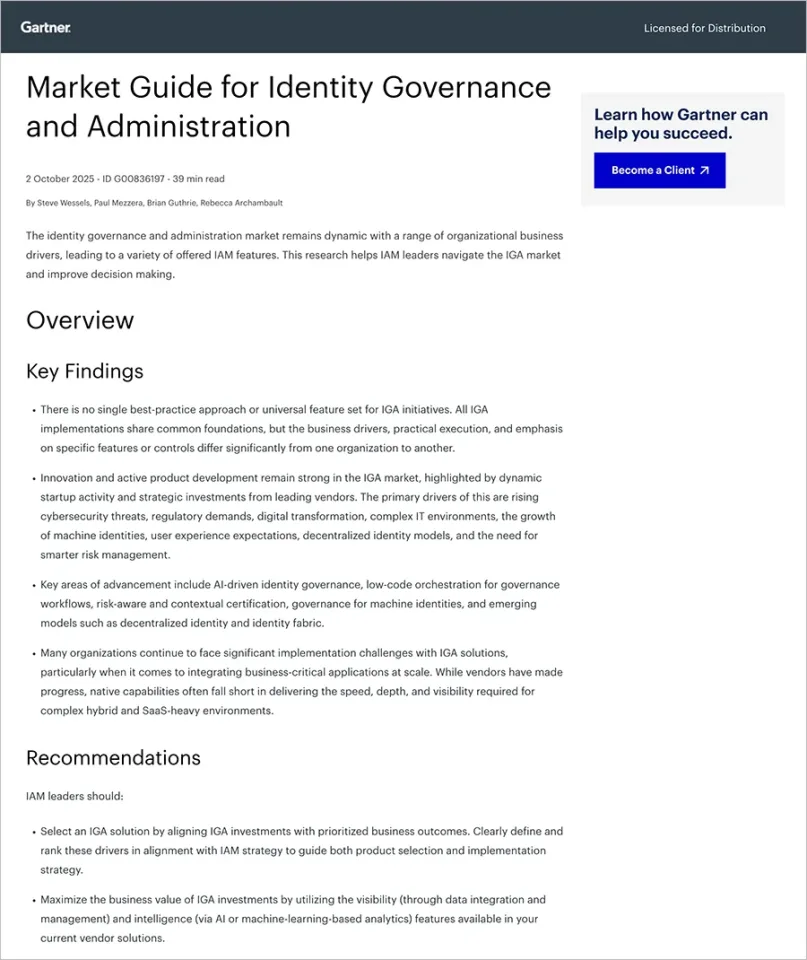
Surveys conducted by research and advisory firms such as Gartner revealed that less than 25% of the Chief Supply Chain Officers (CSCOs) are confident that their networks are highly resilient. Still, most supply chains have low current resilience but have a positive future outlook to achieve that goal within 2 to 5 years.
Proper risk management is the path to resilience, with tested strategies, methods, approaches, and plans for identifying, assessing, and mitigating threats across the entire supply chain. The key to a sustainable supply chain is to be prepared with structured supply chain risk management strategies for expected and unexpected disruptions by investing in visibility, collaboration, technology, diversification, human expertise, and training.