
Identity Governance
for ERP and Critical Business Apps
 Trusted by 1,400+ Global Enterprises
 Modern IGA Outcomes
Automate access workflows, reduce ERP access risk, and keep reviews audit-ready without adding another disconnected GRC tool.

Automate Access from Day One
Orchestrate joiner, mover, and leaver access changes with approvals and risk checks across ERP, SaaS, and critical business applications.
 IMPACT:
FASTER ACCESS FULFILLMENT
IMPACT:
FASTER ACCESS FULFILLMENT

Govern ERP Risk Inside IGA
Detect SoD conflicts, sensitive access, and risky permissions in core business applications before access is approved or certified.
IMPACT:
SAFER ACCESS DECISIONS

Keep Reviews Audit-Ready
Connect access reviews, remediation, exceptions, and evidence so compliance teams are not rebuilding audit trails manually.
IMPACT:
FASTER AUDIT READINESS
PATHLOCK DIFFERENCE
What Generic IGA Tools Miss in ERP Access Governance
Most IGA platforms can manage identities, requests, and reviews. But when access risk lives inside ERP and critical business applications, teams also need SoD visibility, transaction context, risk-aware provisioning, and audit-ready remediation. Pathlock brings identity governance and application controls together in one platform.
*Feature comparison based on publicly available information as of May 2026.

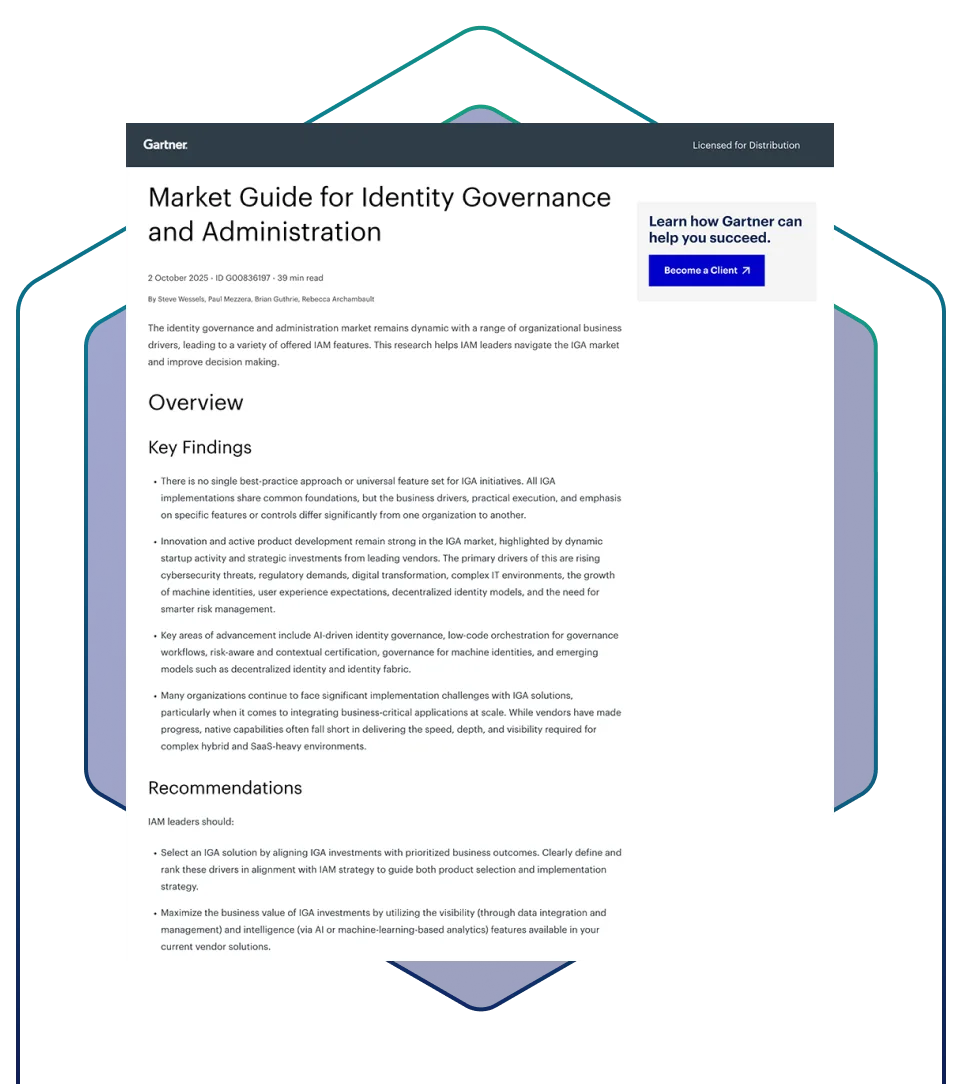
Pathlock Recognized as a Representative Vendor in Identity Governance and Administration
Explore IGA Workflows with ERP Risk Context
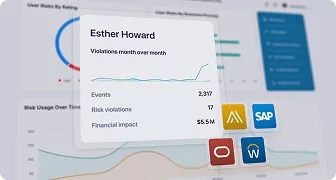
Access Risk Analysis
Identify SoD conflicts, sensitive access, and risky role combinations across ERP and critical applications — then prioritize what needs remediation first.
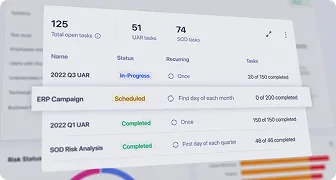
Compliant User Provisioning
Evaluate access requests against SoD, policy, and business risk before approval — so users get the access they need without bypassing controls.
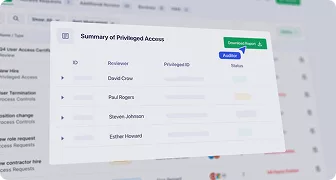
Risk-Aware Access Certifications
Review access with usage, SoD, role, and business context built in — so certification decisions are faster, defensible, and audit-ready.
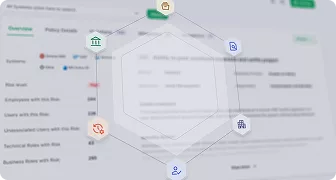
Emergency Access Management
Grant time-bound elevated access, monitor privileged activity, and preserve audit evidence — without leaving risky standing access behind.
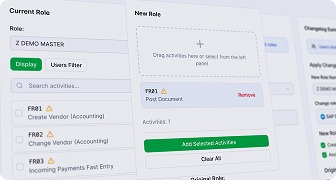
Risk-Aware Role Management
Design, simulate, and refine roles with risk context before provisioning — reducing conflicts, cleanup work, and audit exceptions.
Pre-Built Connectors for 150+ Enterprise Applications


Global Enterprises Trust Pathlock to Govern Critical Access